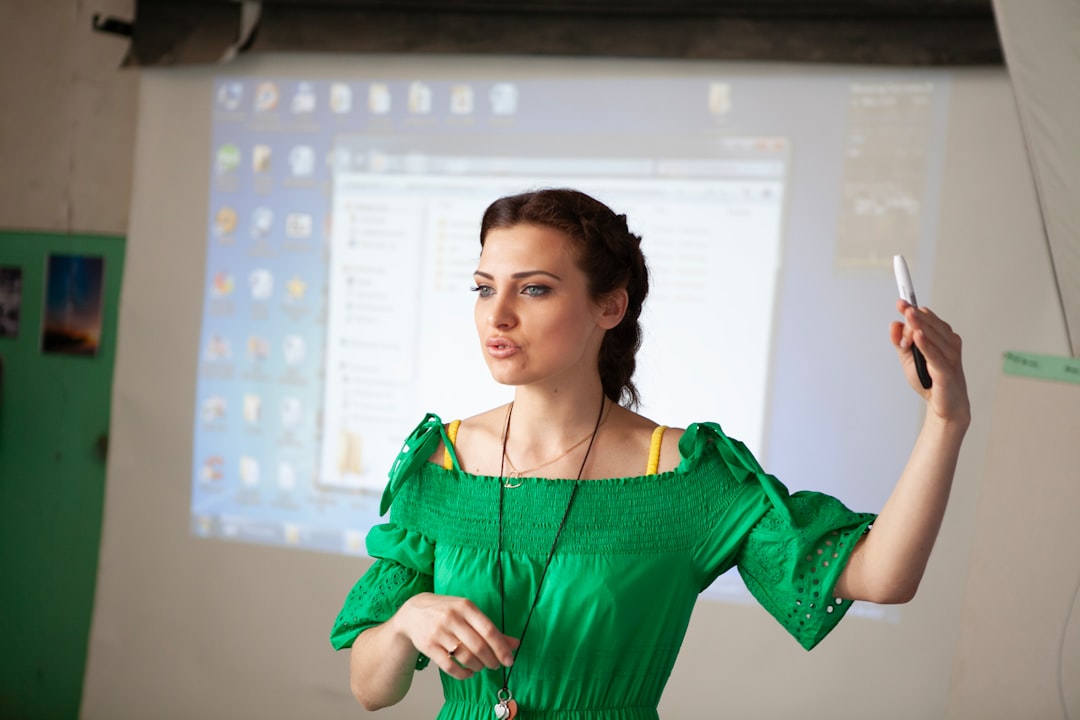
Research consistently shows that nonverbal communication accounts for a significant portion of how we perceive and evaluate others. Some studies suggest that up to 93 percent of communication effectiveness comes from nonverbal cues, though this figure varies by context. What remains clear is that in interviews, your body language speaks as loudly as your words, sometimes contradicting or amplifying your verbal message.
Interviewers form impressions within the first few seconds of meeting you, often before you have spoken more than a greeting. These rapid assessments are based primarily on nonverbal signals: your posture, handshake, eye contact, and general demeanor. Understanding and consciously managing these signals gives you greater control over the impression you create.
The Power of First Impressions
Your interview begins not when you sit down to answer questions, but the moment you enter the building or appear on a video call. Arrive with awareness that you are being observed and evaluated from your first interaction with reception staff or as your video feed activates.
The handshake, though a simple gesture, carries significant weight in professional contexts, particularly in Western business culture. A firm but not crushing grip, maintained for two to three seconds with accompanying eye contact and smile, conveys confidence and professionalism. A weak or overly aggressive handshake can create negative impressions before conversation begins.
Your walk and posture as you enter the room communicate self-assurance or anxiety. Walk purposefully with shoulders back and head up. Avoid rushing, which suggests nervousness, or moving too slowly, which may appear uncertain. Your physical presence should convey calm confidence.
Seated Posture and Position
Once seated, your posture continues to send messages throughout the interview. Sit upright without appearing rigid. Lean slightly forward to show engagement and interest, but avoid invading the interviewer's personal space. This forward lean communicates active listening and enthusiasm.
Keep both feet flat on the floor or crossed at the ankles if more comfortable. Avoid excessive leg crossing and uncrossing, which can distract and signal discomfort. Men in particular should avoid the wide-stance sitting position, which can appear too casual or even aggressive in formal contexts.
What you do with your hands matters significantly. Resting them comfortably on the table or in your lap appears composed and professional. Use natural hand gestures when speaking to emphasize points, but avoid excessive movement that appears nervous or distracting. Never touch your face repeatedly, tap fingers, or play with objects, as these behaviors signal anxiety.
Eye Contact Across Cultures
Eye contact ranks among the most powerful nonverbal signals. In most Western professional contexts, steady eye contact conveys confidence, honesty, and engagement. When answering questions, maintain eye contact for several seconds at a time, occasionally looking away naturally to think or gather thoughts, then returning your gaze to the interviewer.
However, cultural context significantly influences appropriate eye contact norms. In Japan and some other Asian cultures, sustained direct eye contact can be perceived as aggressive or disrespectful, particularly when addressing someone of higher status. If interviewing in or for positions involving cross-cultural interaction, research specific cultural expectations.
In panel interviews with multiple interviewers, distribute your eye contact among all participants, not just the person who asked the current question. This inclusive approach acknowledges everyone's presence and importance in the decision-making process.
Facial Expressions and Microexpressions
Your face reveals emotion constantly, whether you intend it to or not. Cultivate an engaged, pleasant expression as your baseline. This does not mean maintaining a fixed smile, which appears insincere, but rather a look of interested attention punctuated by natural smiles when appropriate.
Microexpressions are fleeting facial expressions that reveal genuine emotion, often contradicting what someone is saying. While you cannot completely control these involuntary reactions, awareness helps. If you feel frustration, confusion, or concern, recognize that your face may reveal this before you speak. Take a breath and consciously reset your expression when needed.
Mirror the interviewer's energy and expressions to a subtle degree. This technique, called mirroring, builds rapport unconsciously. If they smile, return the smile. If they lean forward with interest, you might naturally do the same. However, obvious or exaggerated mirroring appears manipulative, so keep it subtle and authentic.
Managing Nervous Habits
Everyone has nervous habits that emerge under stress. Common ones include touching hair, adjusting clothing, clearing throat repeatedly, or fidgeting with pens or jewelry. These behaviors distract interviewers and signal anxiety, potentially undermining your otherwise strong responses.
Identify your personal nervous habits through self-observation or feedback from others. Once aware, you can catch yourself beginning these behaviors and consciously redirect. For example, if you tend to play with your hair, keep your hands folded on the table or in your lap as a physical reminder.
If you feel the urge to fidget, use subtle techniques to release nervous energy without visible movement. Press your feet firmly into the floor, or discretely press your palms together. These actions provide the physical release your body seeks without creating visible distraction.
Reading the Interviewer's Body Language
Body language communication flows both directions. While managing your own nonverbal signals, also observe the interviewer's cues for valuable feedback during the conversation.
Positive signals include leaning forward, nodding, maintaining eye contact, and open body positioning without crossed arms. These suggest engagement and positive reception of what you are saying. When you notice these cues, you can feel confident continuing in your current approach.
Negative or disengagement signals include leaning back, crossed arms, looking away frequently, or checking the time. These might indicate boredom, disagreement, or simply that you have been speaking too long. When you detect these signals, consider wrapping up your current point more concisely or inviting the interviewer to ask follow-up questions.
However, exercise caution in interpretation. Some people naturally have more closed body posture or less expressive faces. A crossed-arm position might indicate comfort rather than defensiveness. Consider clusters of signals over time rather than reading too much into single gestures.
Virtual Interview Body Language
Video interviews introduce unique body language considerations. Camera position matters significantly; place it at eye level so you are looking straight ahead rather than up or down. Looking slightly up at the camera angle can appear childlike or submissive, while looking down creates an impression of looking down on the interviewer.
Maintain eye contact by looking at the camera when speaking, not at the screen where you see the interviewer. This creates the impression of direct eye contact on their end. When listening, you can look at the screen naturally, but return to the camera when responding.
Frame yourself appropriately with your head and shoulders clearly visible, leaving a small amount of space above your head. Sit far enough back that natural hand gestures remain visible within the frame. Test your setup beforehand to ensure proper positioning.
Your background communicates professionalism as well. Choose a clean, uncluttered space with good lighting that illuminates your face without creating harsh shadows. Ensure nothing distracting appears in the background that might draw attention from your conversation.
Authentic Presence
While conscious management of body language improves interview performance, avoid becoming so focused on mechanics that you appear robotic or inauthentic. The goal is not to adopt an entirely artificial persona but rather to present the most confident, professional version of yourself.
Practice body language awareness in everyday situations, not just interviews. As these behaviors become more habitual, they will feel natural rather than performed. Record yourself in practice interviews to see how you actually appear versus how you think you appear.
Remember that interviewers evaluate the overall package of verbal content, nonverbal communication, and authentic presence. Strong body language supports but cannot substitute for genuine qualifications and thoughtful responses. Similarly, excellent credentials and responses delivered with poor body language diminish your impact.
By bringing unconscious nonverbal behaviors into conscious awareness and making intentional adjustments, you harness the full power of communication. Your words convey your qualifications and thinking, while your body language conveys confidence, professionalism, and the interpersonal skills that make you not just capable, but genuinely appealing as a colleague and team member.